
LATEST COMMENTARY
FIVE THINGS TO KNOW
MCT READER PULSE · MCT-PULSE-2026-017
MCT READER SURVEY
Gaano ka nagtitiwala na tama ang ginagawa ng Kongreso sa budget ng bayan?
This is an informal survey of people who choose to participate. It is not a scientific or nationally representative sample.
ABOUT REMITTANCES: CHECK THE PESOS YOUR FAMILY WILL RECEIVE
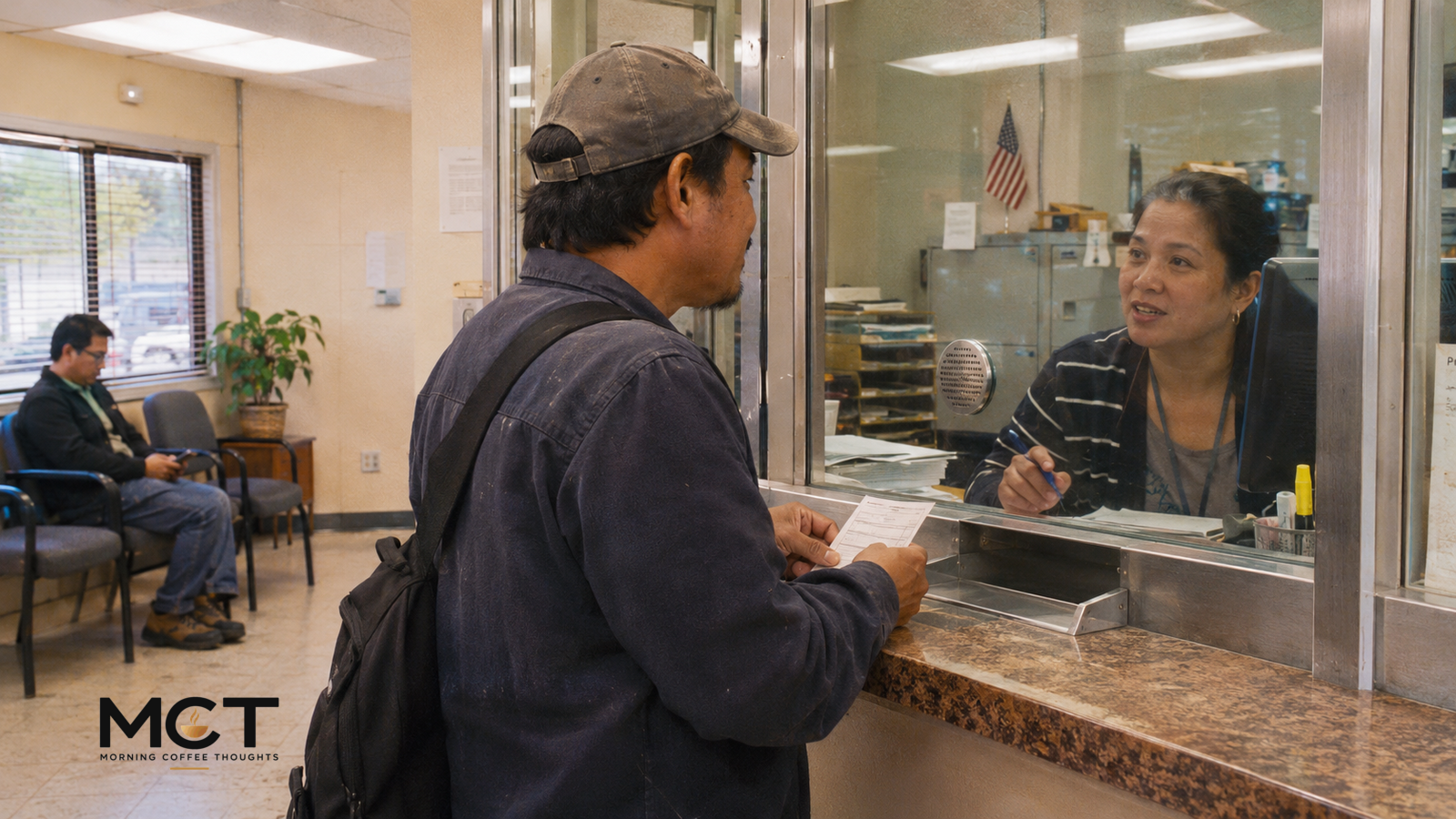
A dollar-to-peso headline can make a family expect a bigger remittance. But the amount that arrives depends on the rate used by the provider, the fees and how the money is received. Before sending, it helps to put the sender’s total payment and the family’s expected payout beside each other. Those two amounts give a clearer picture than a large advertised rate on its own.
1
THE HEADLINE RATE IS NOT YOUR TRANSFER QUOTE
A market closing rate describes a market at a particular time. A remittance service gives its own transaction quote. The Bangko Sentral ng Pilipinas publishes reference exchange rates, while the World Bank’s remittance-price comparisons account for the exchange-rate margin, the difference between the reference rate and the provider’s rate, as part of the cost of sending money.
Ask how many pesos the recipient will receive, which rate is being used and when that rate is fixed. If an amount is only an estimate, find out what can change before delivery. A quote checked earlier in the day may not be the quote available when payment is made.
For a family paying rent on Friday, the usable information is the amount expected to arrive before that payment is due. A screenshot of a market rate cannot replace the provider’s confirmation of the transfer.
WHAT TO WATCH
The quoted recipient amount, whether it is fixed or estimated, and the point at which the provider locks the rate. Check the final confirmation before paying.
2
COMPARE THE SAME TOTAL SENDING BUDGET
Comparisons can go wrong when one service’s fee is added on top while another deducts its fee from the money being sent. Start with the total amount the sender can afford, then compare what the recipient gets after the stated costs.
Here is a hypothetical example, not a current offer. A sender has US$100 in total. Provider A deducts a US$3 fee and converts the remaining US$97 at ₱63 per dollar: the payout is ₱6,111. Provider B charges no sending fee but converts US$100 at ₱61.50: the payout is ₱6,150. With no other charges in this example, B delivers ₱39 more despite the lower exchange rate.
That result changes if another charge applies. Ask about receiving-bank fees, taxes or other deductions that are not included in the displayed payout. “No sending fee” answers only one part of the cost question.
WHAT TO WATCH
The total taken from the sender, the amount converted, the rate, and any further deduction before the money reaches the recipient. Compare quotes taken close together so a moving exchange rate does not distort the comparison.
3
CHOOSE A WAY TO RECEIVE MONEY THAT THE FAMILY CAN USE
Cash pickup, a bank deposit and a wallet transfer can suit different households. Before choosing, check that the recipient can use that particular service and that the name, account or wallet details are correct. For pickup, confirm the branch, opening hours and identification it requires.
Consider a recipient who must travel to another town to collect cash. A slightly higher payout may be eaten up by transport costs or a second trip if the branch is closed. A deposit may avoid that trip, but the recipient still needs a way to use or withdraw the funds. These are household costs to include alongside the transfer charge.
The BSP encourages formal remittance channels because regulated providers offer protection and a route for complaints. Do not choose an unfamiliar intermediary solely because someone promises a better rate in a private message.
WHAT TO WATCH
Whether the recipient can actually access the money on the promised date, with the documents and account they have. Confirm the arrangement together before the sender pays.
4
KEEP THE RECEIPT UNTIL THE MONEY IS RECEIVED
Save the transaction reference, quoted payout, expected availability date and provider contact details. Ask the recipient to confirm the amount received. If it differs from the confirmation, keep the relevant receipt or account record instead of relying on memory.
For example, if a transfer meant for a school payment has not arrived, a useful message to the provider gives the reference number, the promised date, what the recipient has checked and the help being requested. That makes the problem easier to trace than a message saying only that the money is missing.
Keep these records private. Share them through the provider’s verified assistance channel rather than posting account details or a complete transaction reference publicly. The sender and recipient should agree on how they will confirm delivery without exposing those details.
WHAT TO WATCH
The provider’s stated delivery time and the recipient’s confirmation. Report a delay, wrong amount or other problem promptly, and retain the provider’s response and case number.
5
TAKE AN UNRESOLVED COMPLAINT TO THE RIGHT OFFICE
Raise the problem with the provider first. State what happened and what you want it to do, and keep a copy of the complaint. If the concern involves a BSP-supervised financial institution and remains unresolved, the BSP’s consumer-assistance process provides a route for escalation.
The BSP Online Buddy, or BOB, can guide a complaint through that process. The BSP also accepts its Complaints, Inquiries and Requests form by email at consumeraffairs@bsp.gov.ph. Supporting records should include the complaint already sent to the institution and its reply, if any.
The correct regulator can depend on where the transfer was sent and which provider handled it. The US Consumer Financial Protection Bureau, for example, describes protections for covered transfers sent from the United States. Its cancellation and error-reporting rules should not be assumed to apply to every transfer from every country. Check the rules for the actual transaction rather than borrowing a deadline from someone else’s experience.
WHAT TO WATCH
The provider’s complaint procedure, any applicable reporting deadline and the regulator responsible for that service. Keep the complaint focused on the transaction and the result you are seeking.
BOTTOM LINE
Before sending, agree on the total budget, the expected peso payout and how the family will receive it. Then keep the confirmation until delivery is checked. A useful remittance comparison ends with money the recipient can access when it is needed, after the costs both sides will bear.
SOURCES
- Bangko Sentral ng Pilipinas: OF Portal FAQs on remittances.
- Bangko Sentral ng Pilipinas: Exchange-rate statistics and reference bulletins.
- World Bank: Remittance Prices Worldwide methodology.
- World Bank: About Remittance Prices Worldwide.
- US Consumer Financial Protection Bureau: Sending money to another country.
- US Consumer Financial Protection Bureau: Remittance-transfer disclosures, Regulation E §1005.31.
- US Consumer Financial Protection Bureau, reviewed October 3, 2024: What is a remittance transfer and what are my rights?.
- Bangko Sentral ng Pilipinas: Consumer assistance channels and chatbot.
Photo credits
AI illustration / OpenAI OpenAI
GOOGLE PREFERRED SOURCES
FOLLOW MCT ON GOOGLE
Google’s Preferred Sources feature lets you choose publications you want Google to prioritize for you. Select “Add to Preferred Sources” to make MCT easier to find in Top Stories and other eligible Google results. This does not subscribe you to email.
SUPPORT MCT
HELP KEEP INDEPENDENT POLITICAL WRITING GOING.
Morning Coffee Thoughts is reader-supported. Contributions help pay for research tools, hosting, and the work required to verify and explain each development.